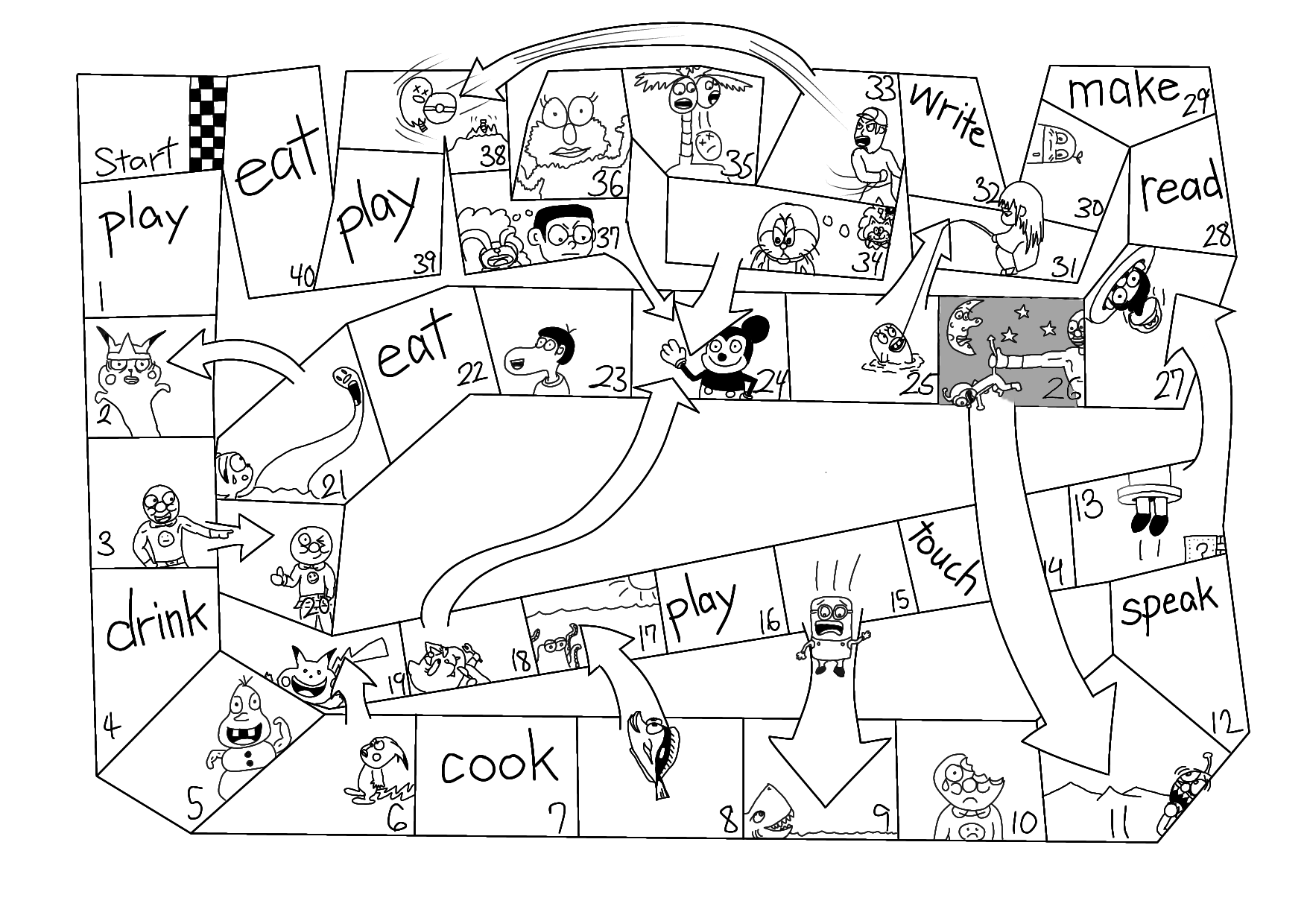
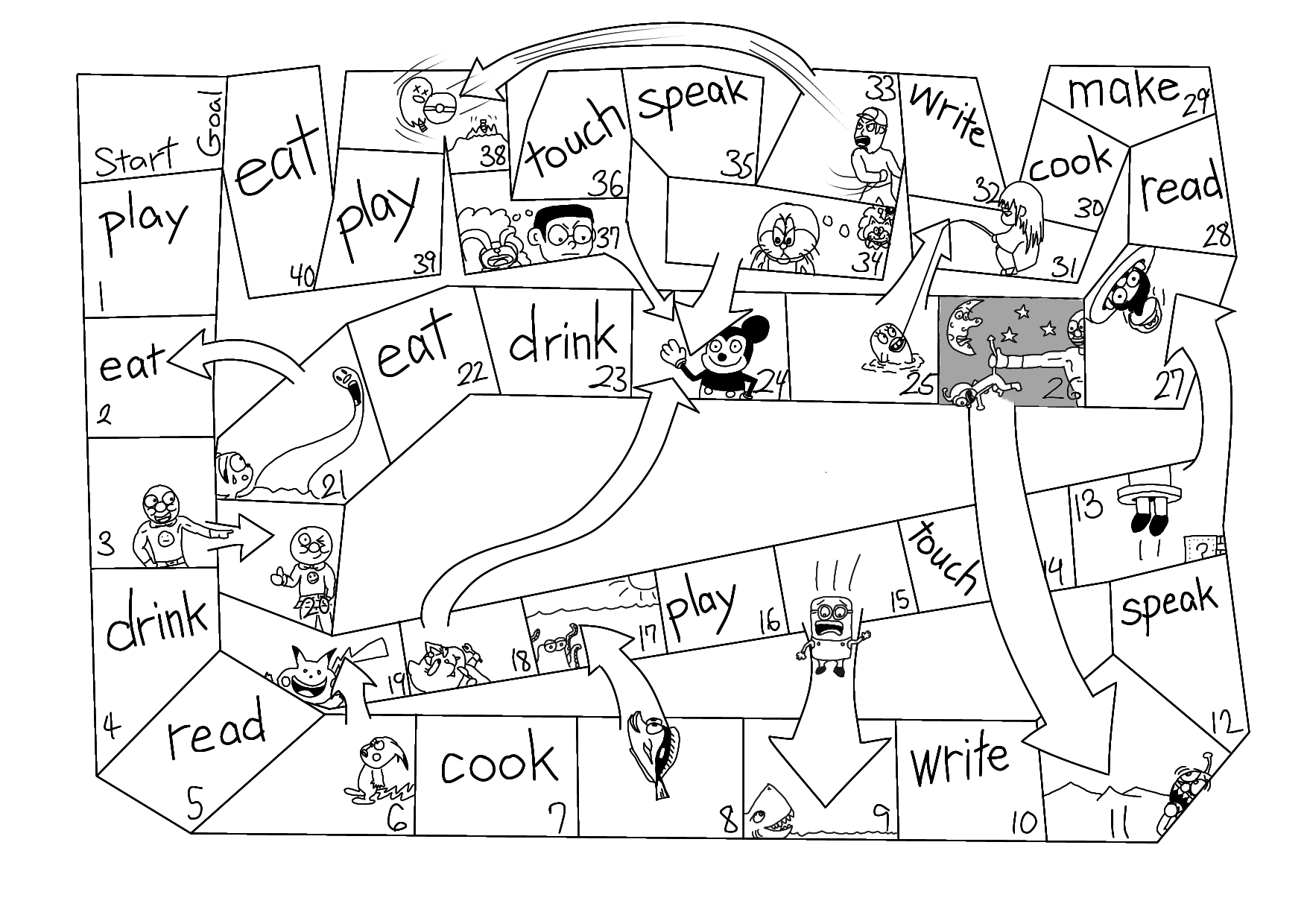
This is a follow up lesson to the I can snakes and ladders lesson plan. It uses the same activity and game, but grammar is changed to question form, and the game is changed due to this. I will provide the lesson plan, the worksheet, and a new snakes and ladder game sheet modified to slow down the game some.
Category: Classroom Materials
I can, introduction to can lesson
This is a kind of lesson I do with snakes and ladders that keeps the students working in groups, but also frequenly having the teacher’s check their work. It works fairly well in even the most difficult classes I have.
I hope everyone has a nice holiday season. I am very busy right now preparing stuff for winter camps, so uploads will slow until 2020.
Follow up lesson to practice Can you ~ ? with a new worksheet and modified snakes and ladders sheet.
Sticker Sheets
I use sticker sheets in all my classes. The students get one sticker sheet during my first lesson when they are first year students. They can use this sheet for all three years of JHS. I do however offer new sheets at the beginning of second and third year for any students who lost the old sheet, their old sheet was damaged, or they just want a fresh copy.
I also offer prizes to the students. The prizes are small pictures I print, laminate, and cut. I tend to vary the amount of stickers needed to get a certain type of prize based on popularity. I will alter these prices over time as I revise the sticker sheets.

I am providing you with the most recent PDF of my sticker sheet. You can also download the Word Doc I used to make it. The sticker sheets of the past I originally made in Photoshop, but making them in Word means alterations can be done quickly and on school computers. Some schools don’t allow personal laptops and I doubt any schools have computers capable of running Photoshop. The quality takes a dip, but after the end result is printed off and run through a bulk copier you won’t notice.
One word of advice is to always save your finish document as a PDF to print from. If you have a Word Doc with a lot of images the printing will sometimes be misaligned and you’ll have fractured shapes, tables, and images. Saving as a PDF and then printing condenses the information so your poor school computers can handle the work.

For JHS teachers sticker sheets go well with rewarding winners of activities, volunteers that speak in class, etc. Make sure you JTE agrees to use it and you acknowledge how it will be used, before you make copies. I leave it up to the individual JTEs so they can give out stickers also if they want. Most choose to use it as something we only use when doing ALT lessons.
Warning on ES
For elementary school students be wary of using stickers. For 5th and 6th year students there should be no issue, but younger students may be driven to tears if they don’t get at least one sticker in the class. I don’t suggest using stickers at all in ES if you’re there full time, but if you only visit the school a few times a year then it would be alright as long as you bring enough stickers for everyone, and give everyone a chance to earn one. Like at the last 5 minutes of class you can ask, “Who has no sticker?” and then those students can be asked a simple question from the lesson or just ask them their name. Try to let them feel like they earned the reward. So make sure you budget enough time at the end of class.
Stickers are cheap off of Amazon. I like to use the Emoji stickers. My schools have an English budget so I tell them what to get, but even if they didn’t I would buy them myself.
This is the most recent sticker sheet. The PDF is good to print now. The DocX file should be used to customize your sheet as you like with whatever you are personally intersted in. Sometimes I’ll stick pictures of the teachers in it. Copy paste your image. Scale it down. Then place it where you like. Send the image to the back so it’s behind the guidelines of the table. Then crop it down to fit. You can merge and split cells as you like. If you don’t know how to do that it’s not hard. I suggest just switching between solid and blank lines instead of deleting cells altogether.
Reading Maps
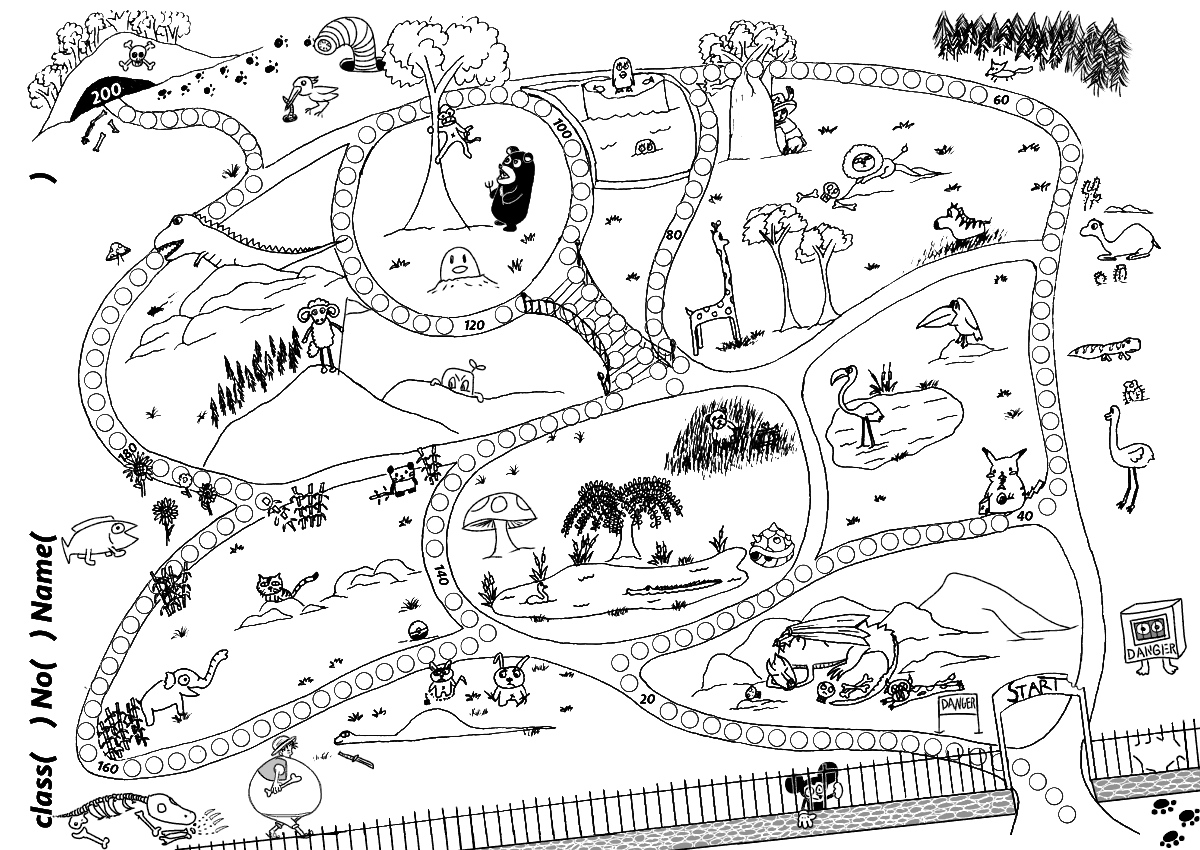
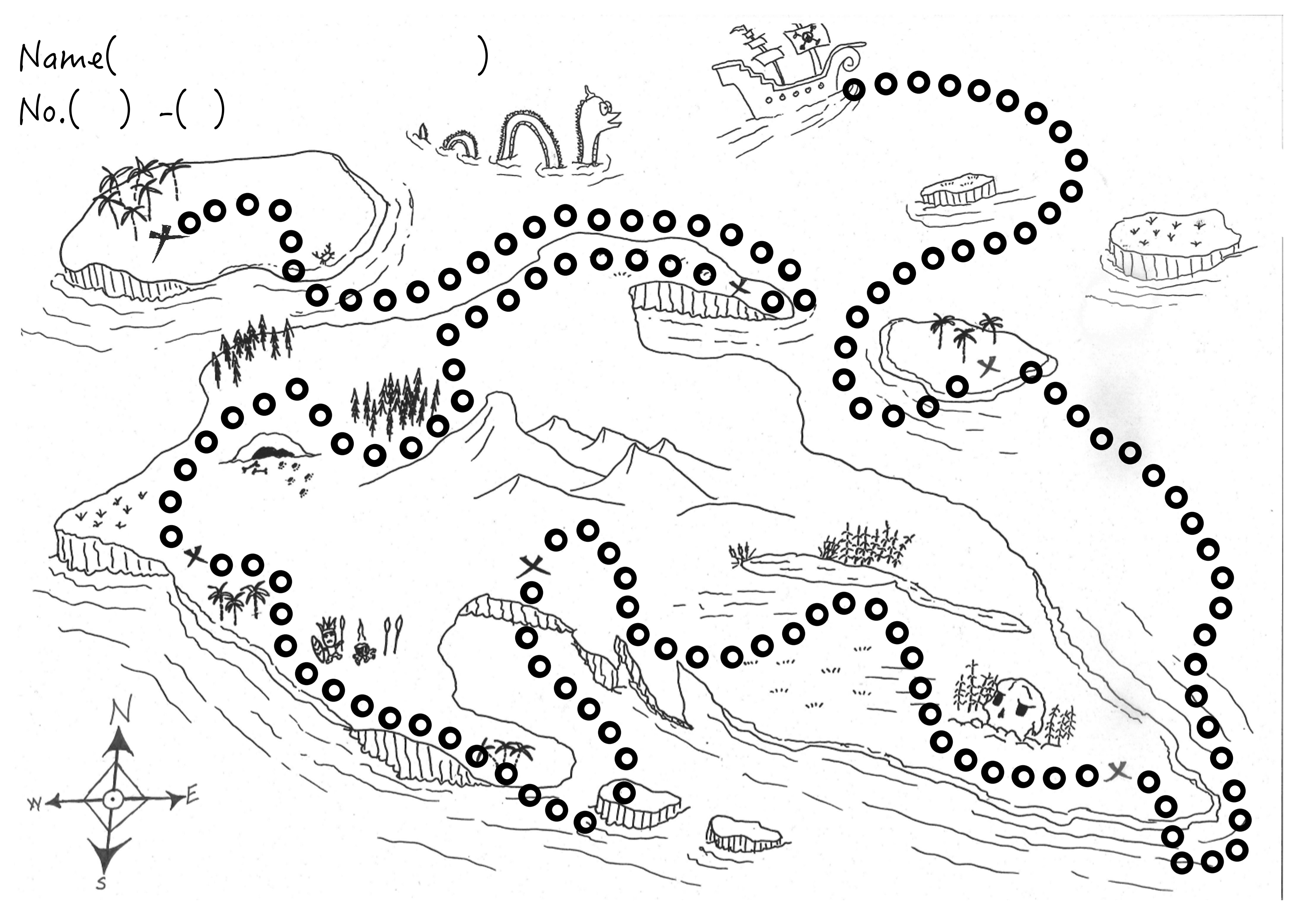
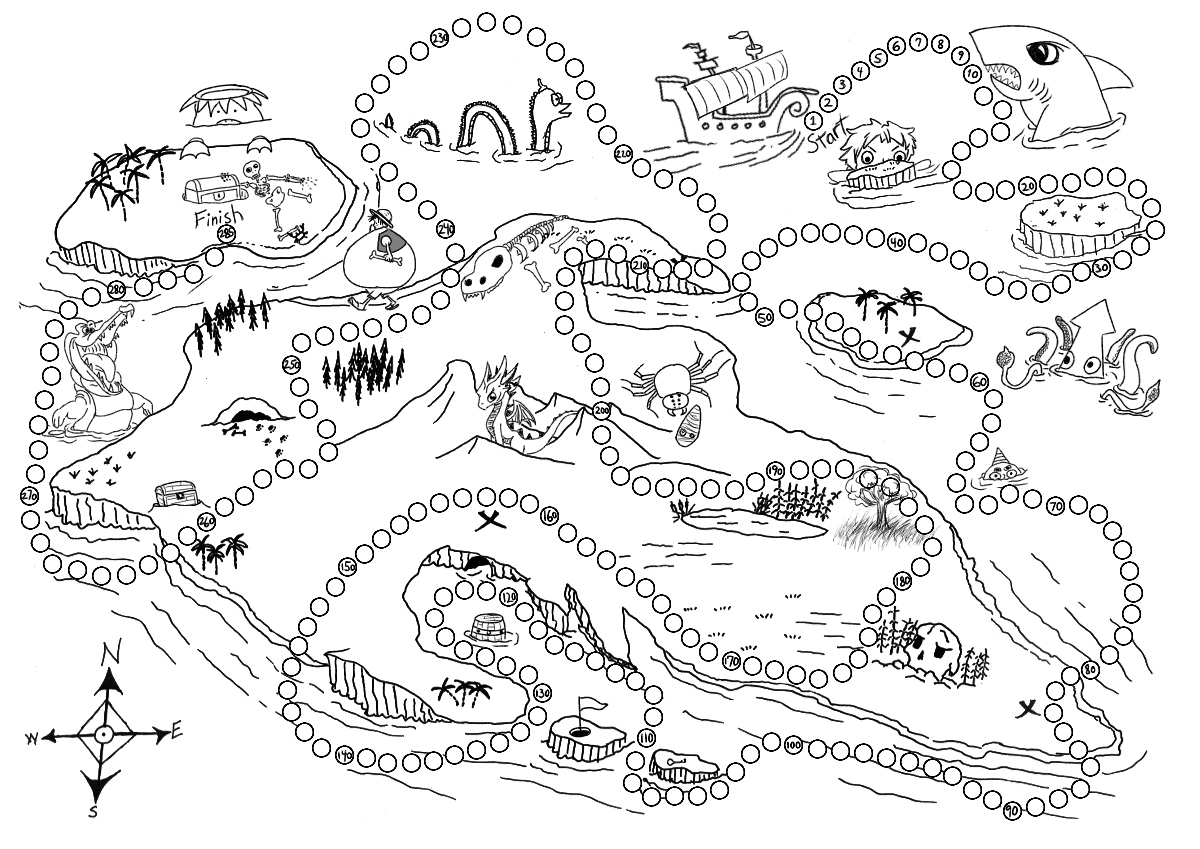
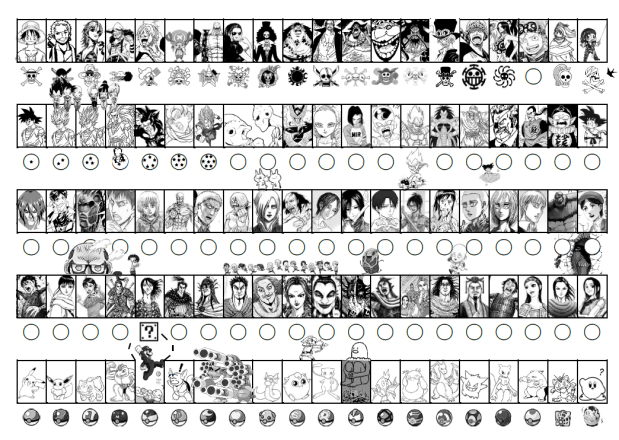
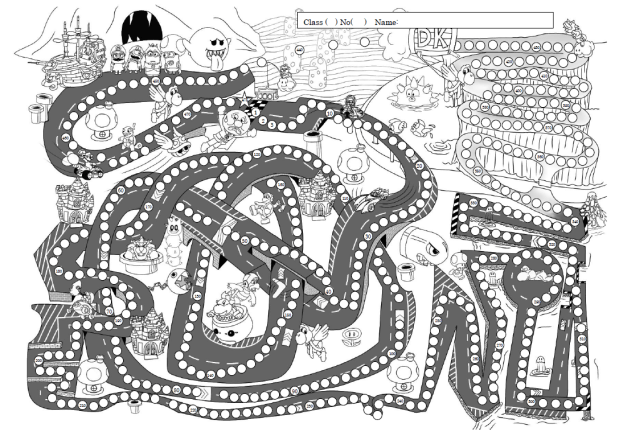
This is not something I use personally. I’ve had 3 teachers ask me for “reading maps” out of maybe 30 teachers I’ve worked with. A higher number than that simply make their own reading maps that I see the students using. Personally, I have not given it much thought on how to use these, but I made them nonetheless. If you need something to track participation progress then feel free to use one of the reading maps I’ve made.
The only time I’ve used these was during activities in lieu of a scoreboard to track points. I printed a large version and hung it on the chalkboard. Each group had a numbered magnet game piece. As the groups completed problems in the activity they rolled large 20-sided dice and move their magnets around the map. Was fun. Haven’t bothered to do it since, but it was a nice simple and clean way to keep track of points.


 ALT(er)native Teaching